Exhibitions

Touches of a River

14 August – 29 October 2026

Czech Radio České Budějovice Exhibition Hall – U Tří lvů 244/1 (curator Petra Hanáková)
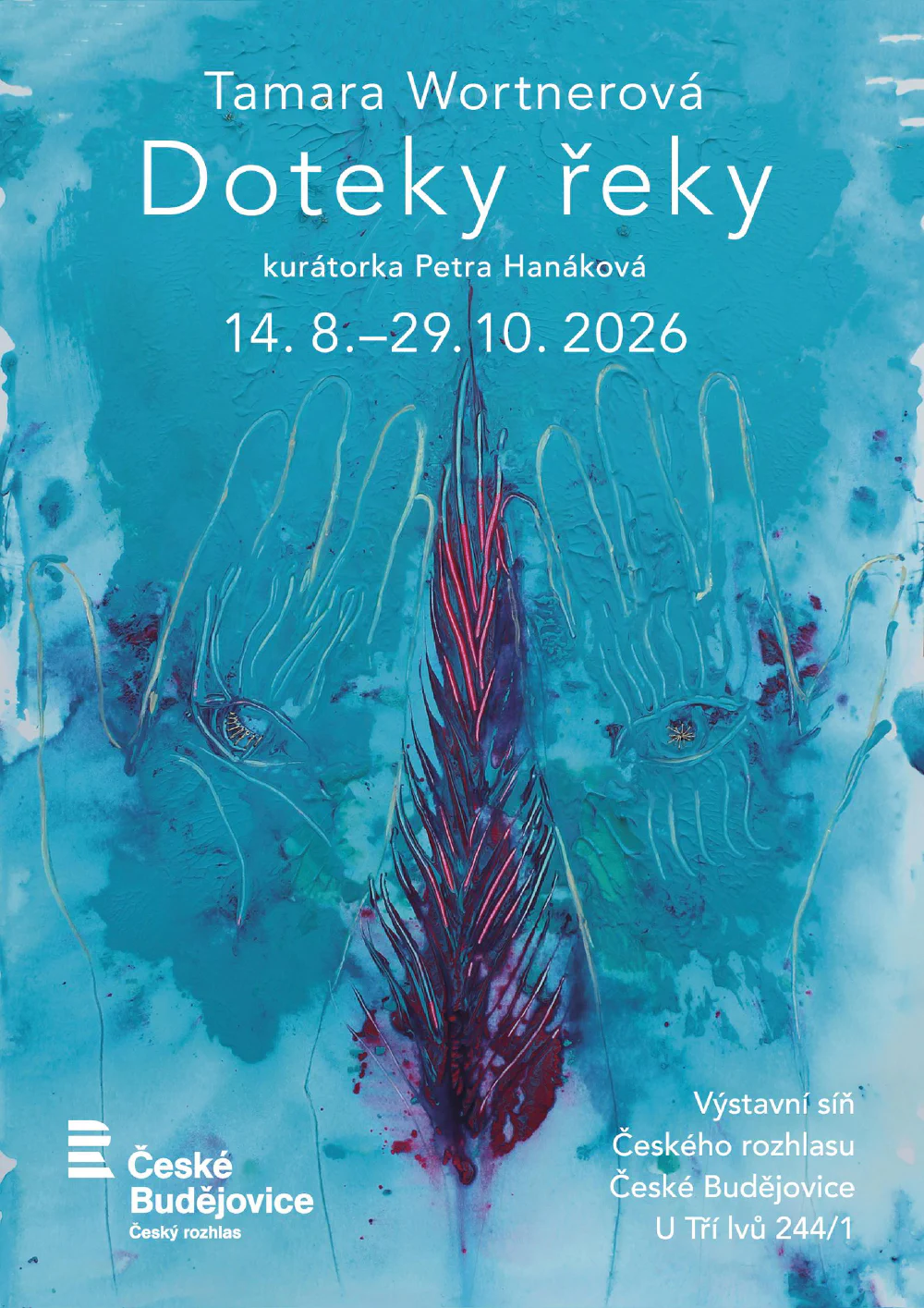
Touches of a River

Works on handmade paper, 2024–2026

The work of České Budějovice-based therapist and artist Tamara Wortnerová bridges two seemingly incompatible worlds — the world of art and of physiotherapy. Looking closer, though, these two worlds are much closer to one another than they might at first appear.

In her therapeutic practice, Tamara Wortnerová meets the body’s stories every day, listens to her clients, and the experience of these encounters is later carried into her paintings. Exploring the subtle layers of the body and nervous system led her, some years ago, to work with the system of water in the body — the so-called fluid body — and so the theme of water organically “flowed …

Works on handmade paper, 2024–2026

The work of České Budějovice-based therapist and artist Tamara Wortnerová bridges two seemingly incompatible worlds — the world of art and of physiotherapy. Looking closer, though, these two worlds are much closer to one another than they might at first appear.

In her therapeutic practice, Tamara Wortnerová meets the body’s stories every day, listens to her clients, and the experience of these encounters is later carried into her paintings. Exploring the subtle layers of the body and nervous system led her, some years ago, to work with the system of water in the body — the so-called fluid body — and so the theme of water organically “flowed over” into her artistic practice too.

Tamara Wortnerová experiences fluidity in the body as a life-giving principle, one that, with sensitive attunement, we can feel, sense the presence of, and communicate with. It is precisely this lived experience that she seeks to communicate through her paintings. She wants to show everything the river of life carries, how life is contained in every drop of water.

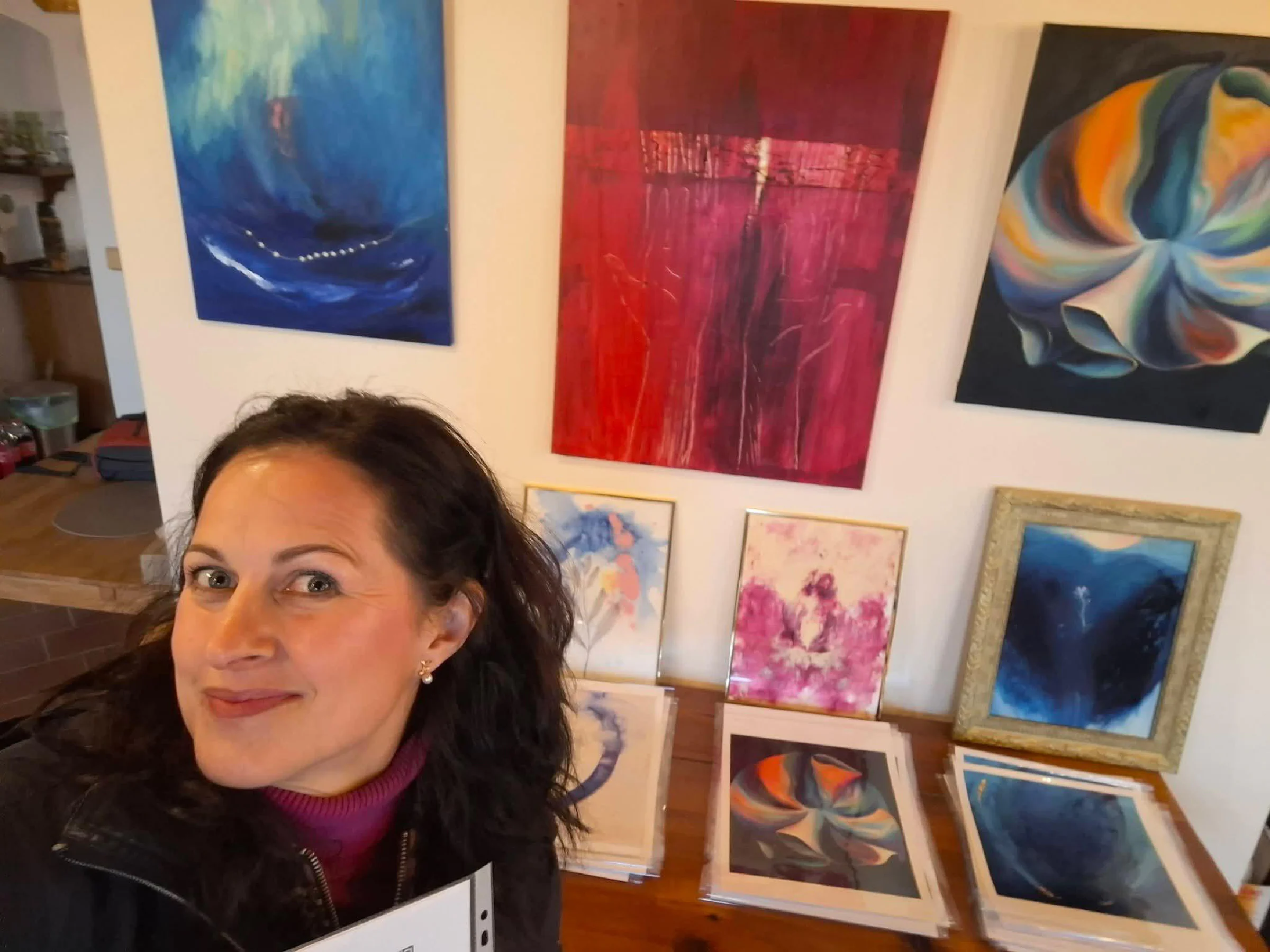
Yet this is not mere thematic inspiration or outward record. For the artist, her paintings and drawings form a kind of notation, intuitive protocols processing dives into the waters and rivers of the body. The experiences held within them run deep, yet in the therapeutic work they are entirely concrete, even as they take on abstract form on the canvas. The surfaces of her paintings are gradually filled not only with pencil drawing but also acrylic and watercolor; in further layers she adds found natural materials — shells, feathers — as well as embroidery and lace, in an effort to describe, to map, to touch the space as fully as possible.

“Water always finds its way, its principle is to flow, to live… it is immortal like the human soul,” says Tamara. “Attention to the presence of water in the body, that connection to the miraculous river of life, heals, connects, unifies. It is water that connects everything to everything, holding within it the deep calm and the wildness of the ocean, the murmur of small streams, and the microworld of a single drop briefly closed in on itself. In water, as in the soul, there is immense wisdom… I paint the imprints of this communication, sometimes successfully, sometimes not, but I hope always sincerely.”

Tamara Wortnerová’s paintings are an imprint of water and intuition in color and paper, a mirroring of the microcosm and the universe, drops of experience from which an entire river can arise.
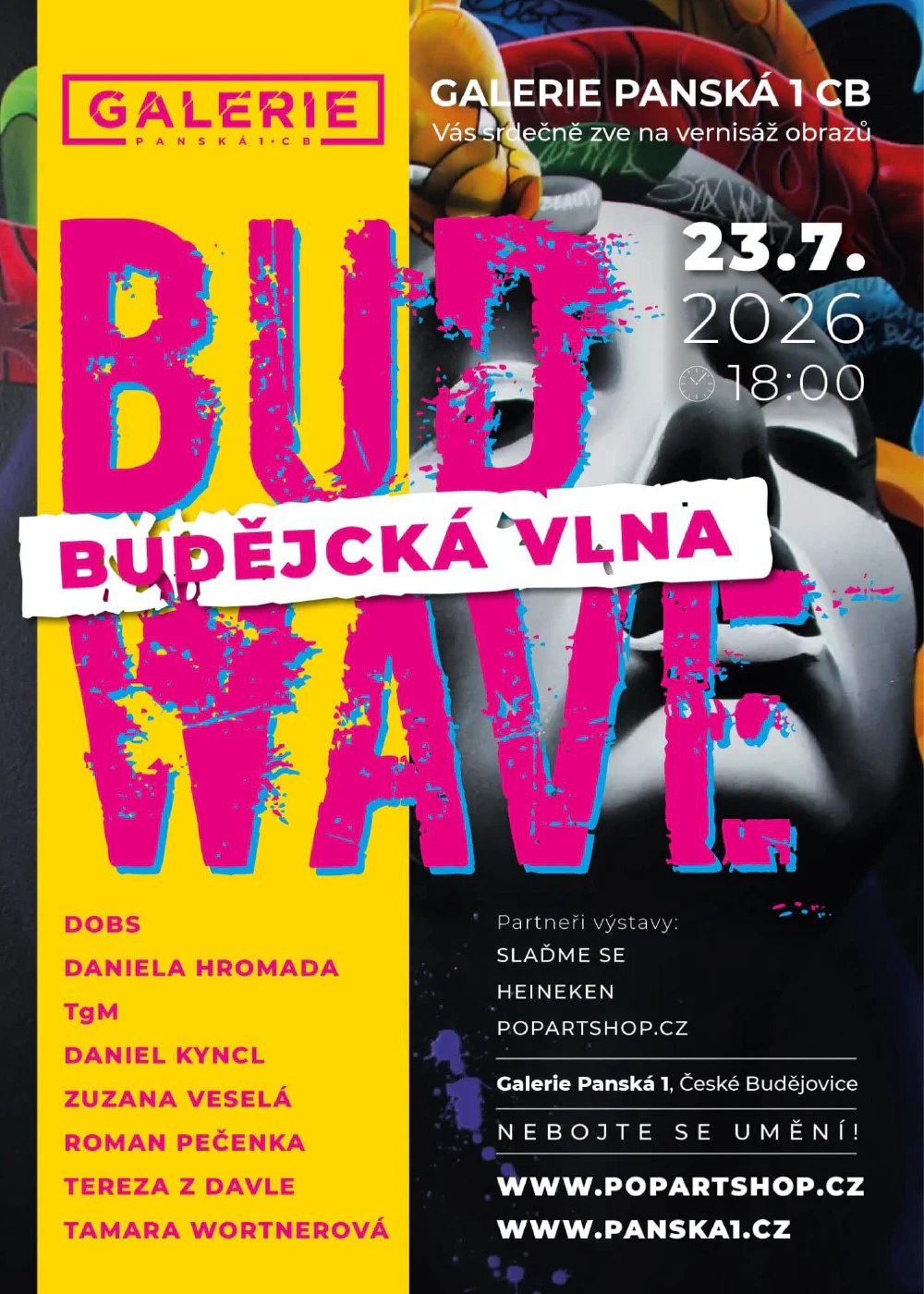
Bud Wave

23 July 2026

Panská 1 Gallery – České Budějovice

Bud Wave

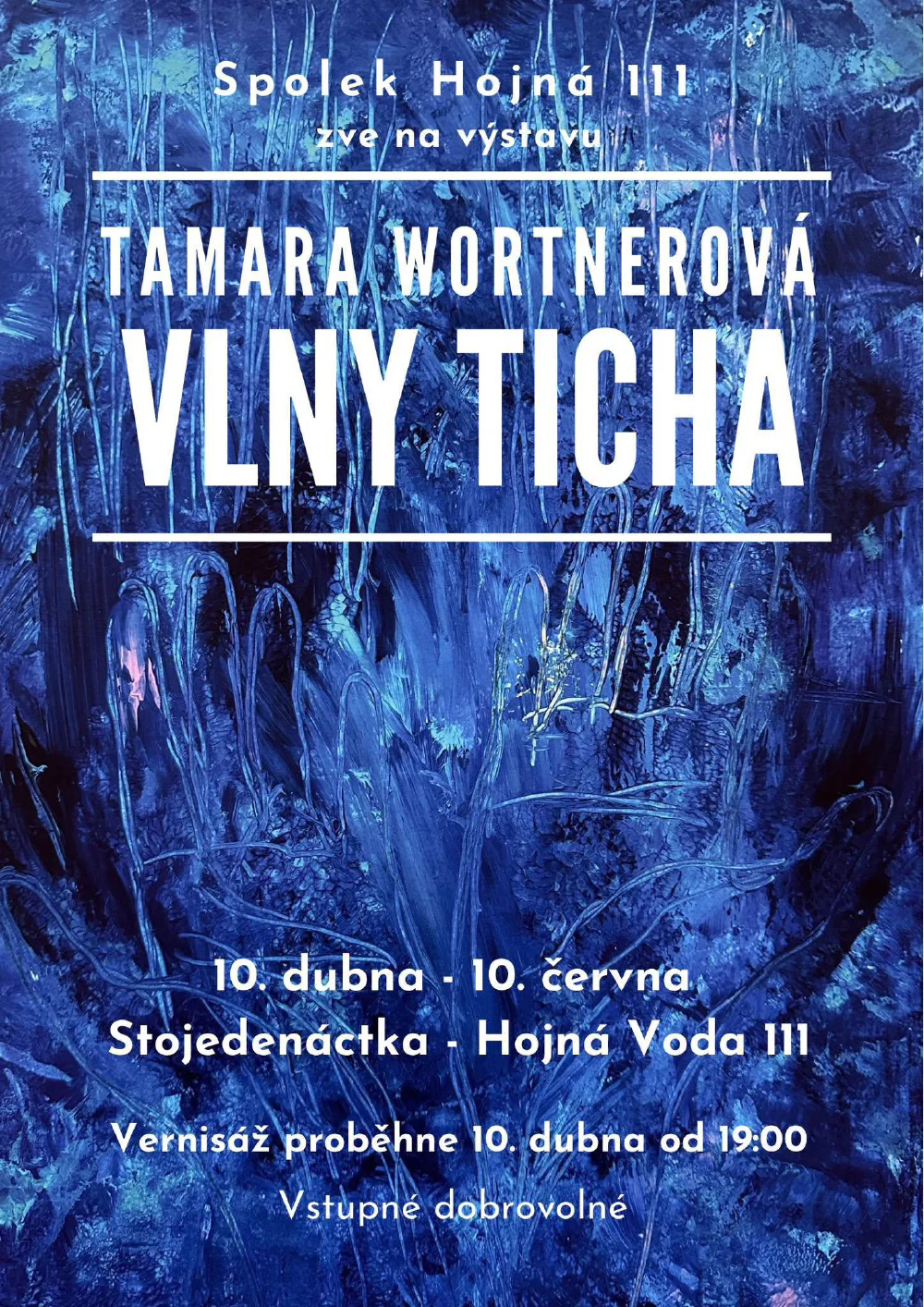
Vlny ticha

10 April – 10 June 2026

Stojedenáctka – Hojná Voda 111

Vlny ticha

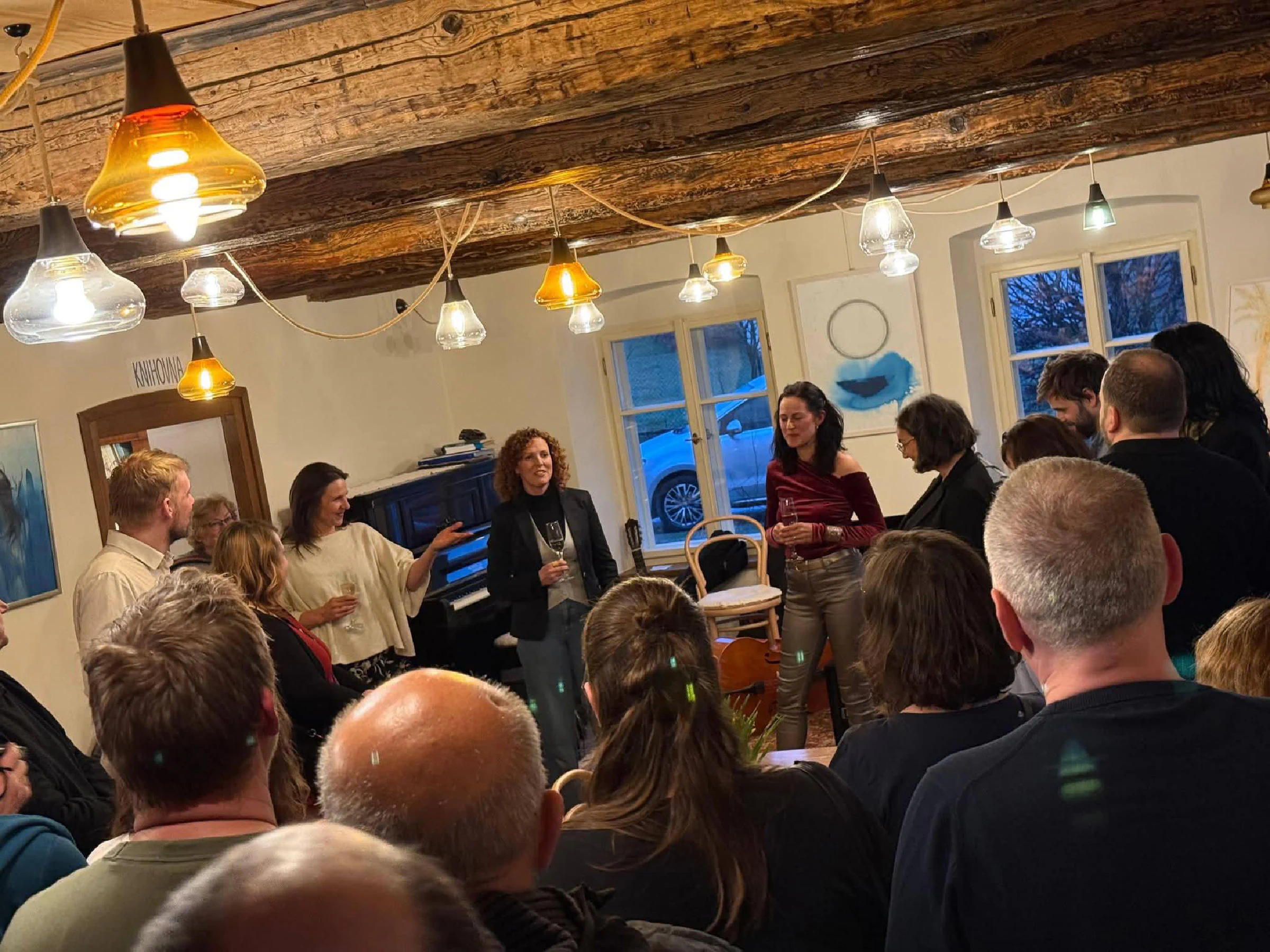
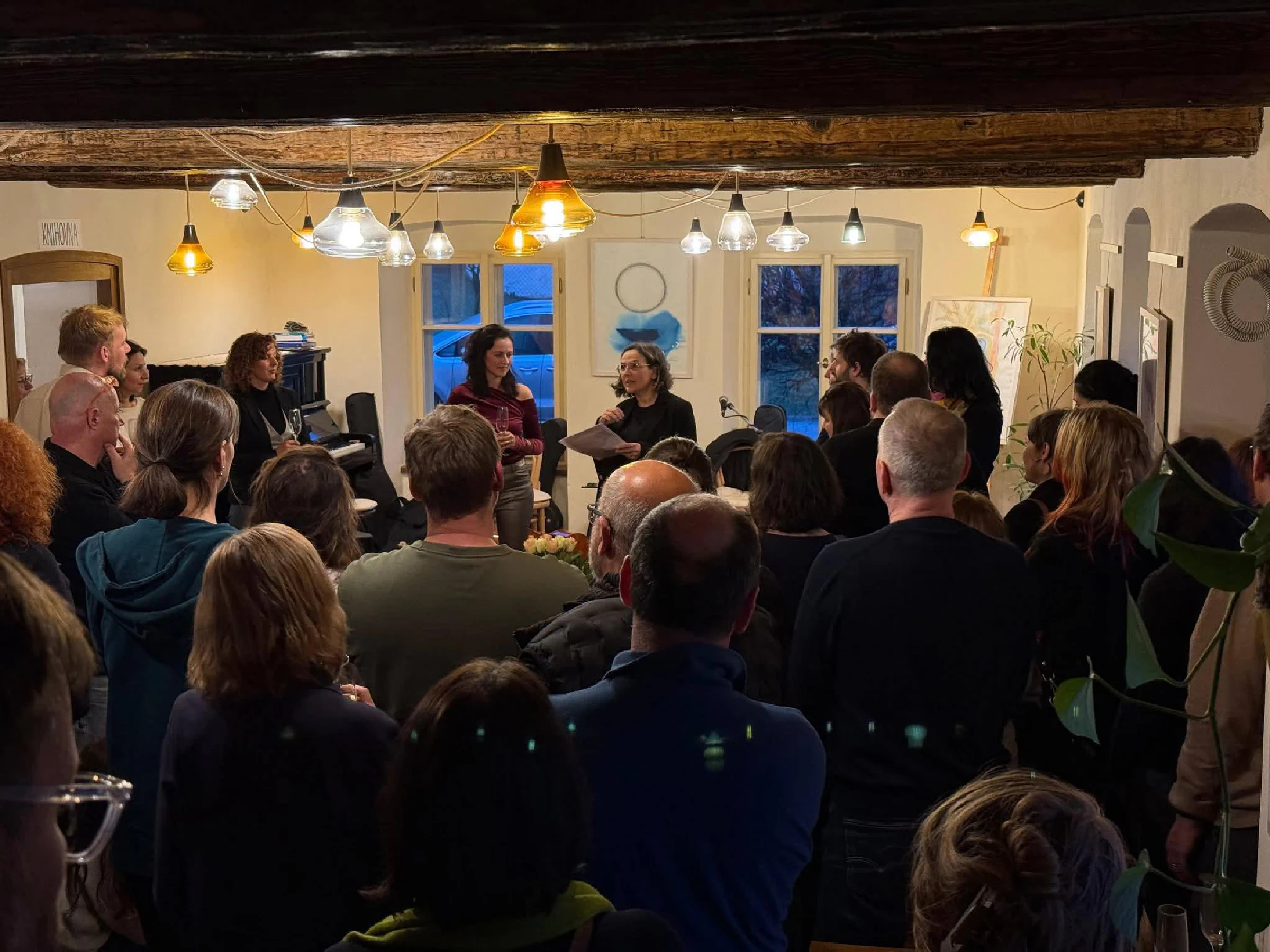
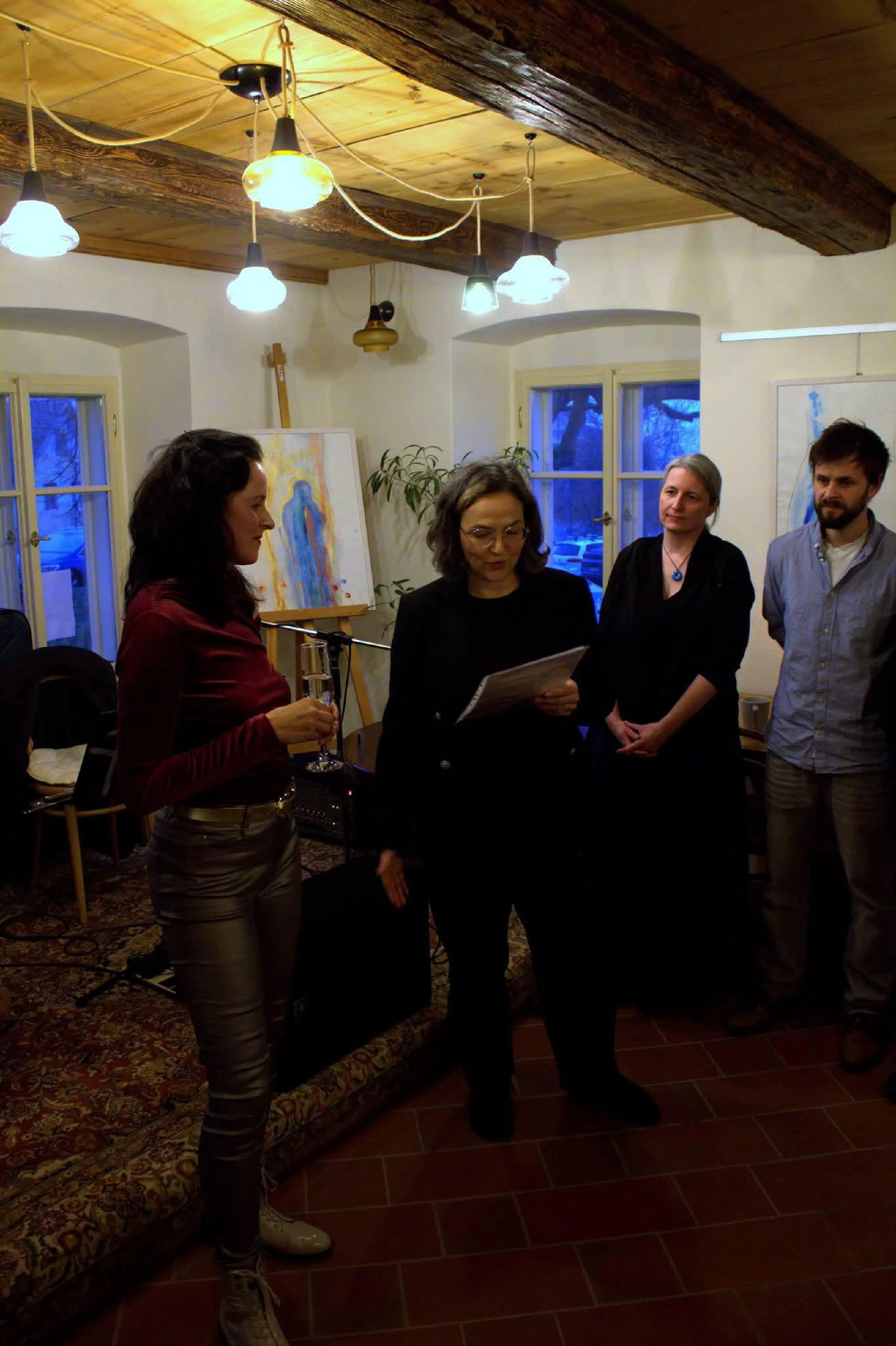
Opening remarks for the exhibition at Hojná Voda, 10 April 2026

The story I’m about to tell you, you’ve surely heard in some form before. It’s the story of Tamara, who since childhood wanted to be an artist, to paint and create, but life led her to become something else instead — a physiotherapist. These two versions of Tamara then spent some time searching for a way to each other, and it’s even fair to say that for a while, Tamara-the-Therapist and Tamara-the-Artist fought a little. And that’s normal — everyone who pursues art alongside their profession sometimes feels that, in order to create, they must “shut off,” suppress, switch off their …

Opening remarks for the exhibition at Hojná Voda, 10 April 2026

The story I’m about to tell you, you’ve surely heard in some form before. It’s the story of Tamara, who since childhood wanted to be an artist, to paint and create, but life led her to become something else instead — a physiotherapist. These two versions of Tamara then spent some time searching for a way to each other, and it’s even fair to say that for a while, Tamara-the-Therapist and Tamara-the-Artist fought a little. And that’s normal — everyone who pursues art alongside their profession sometimes feels that, in order to create, they must “shut off,” suppress, switch off their everyday self. But this story has a beautiful resolution: I’ve been watching for some time where Tamara’s work is heading, and I’m delighted that in the paintings from recent years and months — which you can also see at this exhibition — both versions of Tamara have found their way to each other, that the Therapist and the Artist support, strengthen, and learn from one another. In some of the paintings, they even quite literally shake hands.

What united them is the leading character of today’s exhibition, WATER. Water, here, is not some empty symbol but a life principle. Water that is not only around us, but within us too.

Tamara the Therapist — after years spent in classical physiotherapy and working in a hospital — began in recent years devoting herself to craniosacral therapy, a gentle technique of working with the body, the fascia, and the nervous system. This gradually led her to explore what’s known as the fluid and fascial body — the system of water in the body that supports all bodily and tissue processes.

It’s difficult to explain to someone who hasn’t experienced the practice of the fluid body how it all works. Put simply, this type of therapy is built on the idea that our entire nervous system essentially bathes in fluids, and their proper flow strengthens and restores nervous capacity — which is why getting water moving through the tissues is so nourishing for the body. When we speak of the body’s wisdom or memory, or even the life-giving quality of water, we’re speaking precisely of this system. Energetic work with water in the body isn’t magic — it’s understanding the system, understanding just how important WATER within us and around us really is.

The body began to reveal itself to Tamara as an endless, life-giving ocean, and it subsequently became a great inspiration for her own art — all it took was to pay attention and let the body tell its stories, nod along to its secrets, and allow it to imprint those stories into paintings. Tamara-the-physiotherapist supports and enriches Tamara-the-artist; both teach us to see differently, to understand that in our everyday rush we may have forgotten something basic, something important.

But there’s also a broader connection that the theme of water reminds us of, especially strongly in places like Hojná Voda, where water has been venerated throughout history. I’ll borrow a quote here from a recently published book by environmental writer Rebecca Solnit, called The Beginning Comes after the End (2026). Solnit wrote this remarkably optimistic book consciously for a time that makes many of us feel the end of the world is near. She calls on us to hold on to hope and faith in life, rooted in the awareness of how deeply connected we are — to one another, to the environment we live in, to the wisdom carried by our ancestors. Solnit speaks beautifully of the role of water in this awareness:

“We cannot survive more than a few days without water. Water flows into us and out of us again, and it’s the same water that once formed clouds, snow, rain, rivers, oceans, and puddles — that may also have recently been inside the bodies of other beings… We are, in essence, made of water; we are a lake wrapped in skin, in which various opinions and intentions merely slosh about, or, put better still — we are a network of streambeds, brooks and springs, veins, arteries, and capillaries, and all the soft parts in between.”

Finally, I want to mention one more lovely, if accidental, connection. I only came across it while checking whether the exhibition’s title had already been used elsewhere. It turns out the term “waves of silence” began to be used in 2020 for the phenomenon in which noise and vibration around the world grew quieter in waves, in step with the slowdown of human activity during the pandemic. This wave of quieting moved from China, through Europe, and on to the United States, and it showed just how loud our activity on this planet really is. Only in the resulting silence, when the sources of noise tied to humans suddenly fell quiet, was it possible to hear, for instance, the original sound of certain natural processes — it became possible to hear the planet, even very faint earthquakes that instruments would never otherwise register amid ordinary operation.

Allow me, in closing, to use this meaning of waves of silence as a metaphor: in the same way, we could say that our bodies speak to us too, but we often talk over them and don’t want to listen. Sometimes the hardest thing is simply to be, to stay quiet, and to listen.

I wish that Tamara Wortnerová’s paintings tune you into waves of silence that let you hear even the lightest, quietest earthquakes of your own feelings.

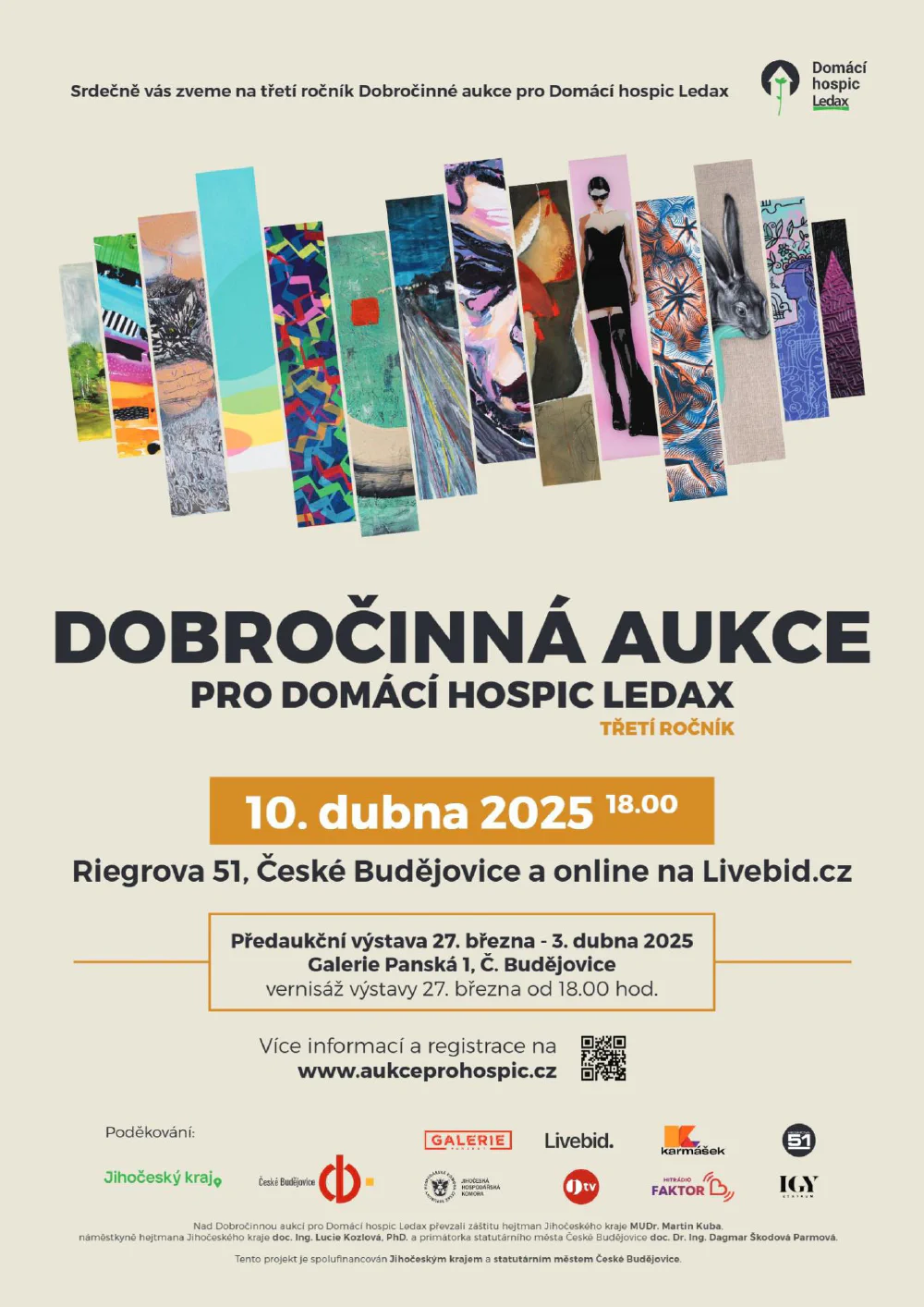
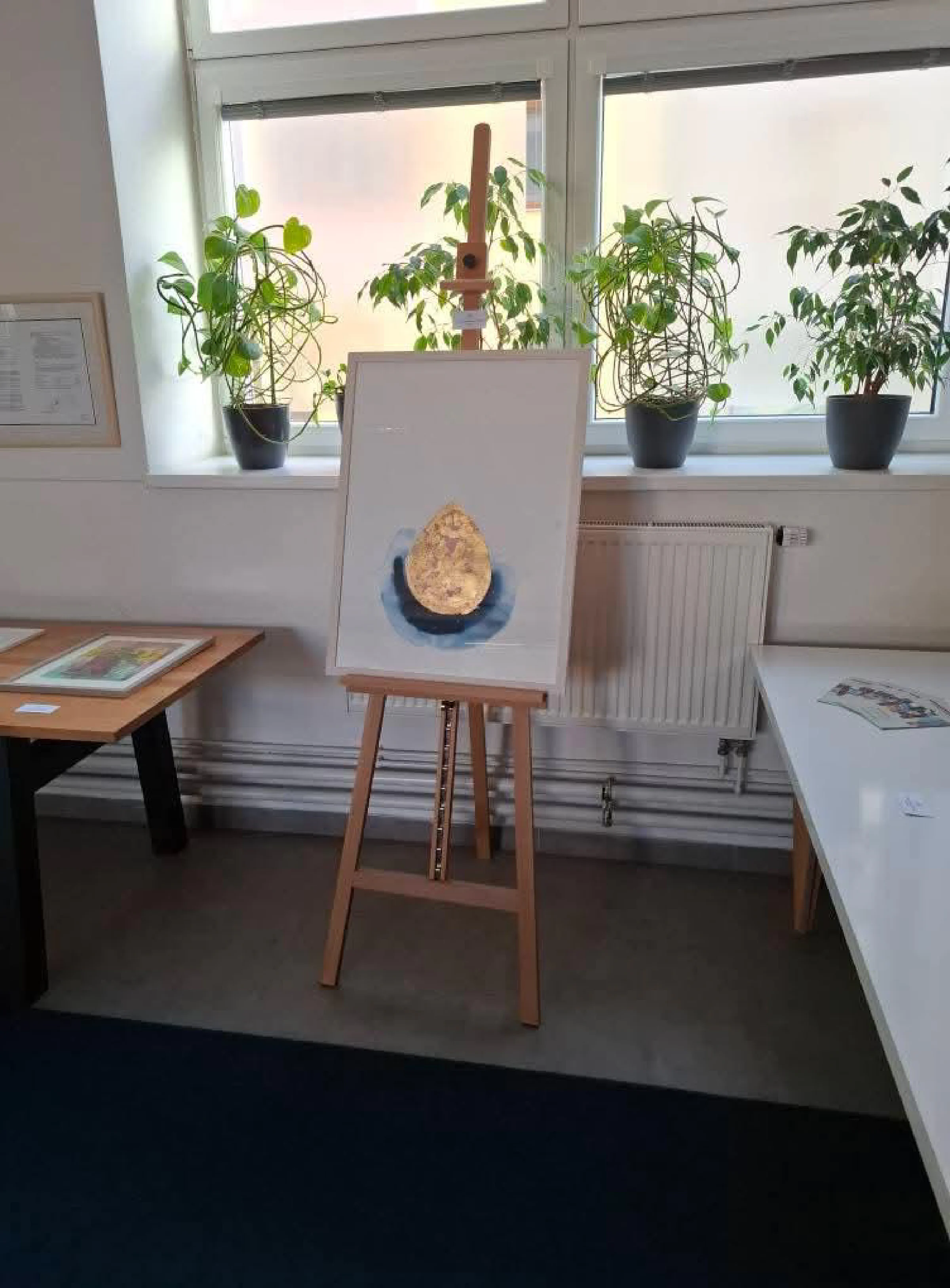
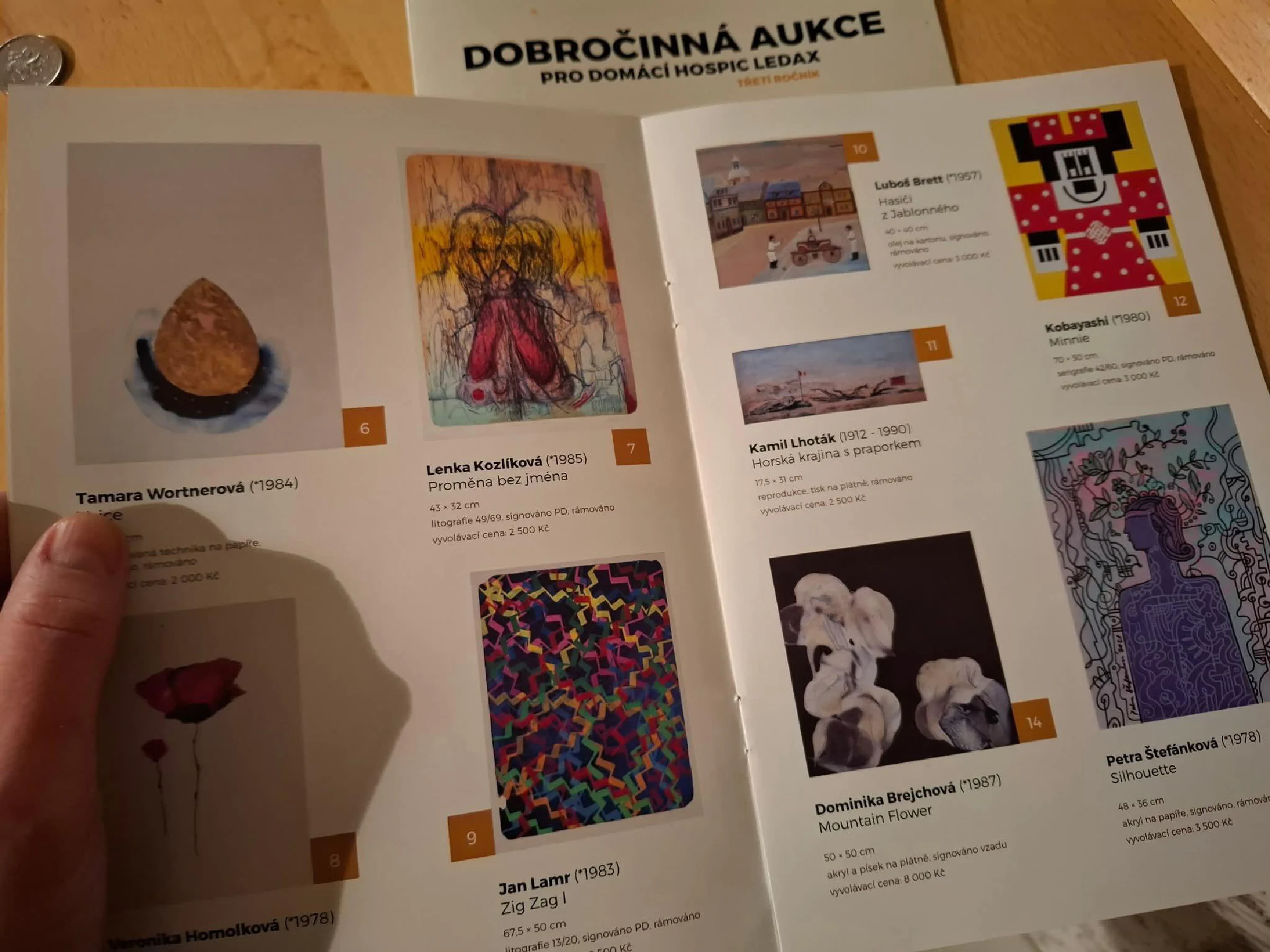
Ledax – Charity Auction

27 March – 3 April 2025

Ledax – Charity Auction

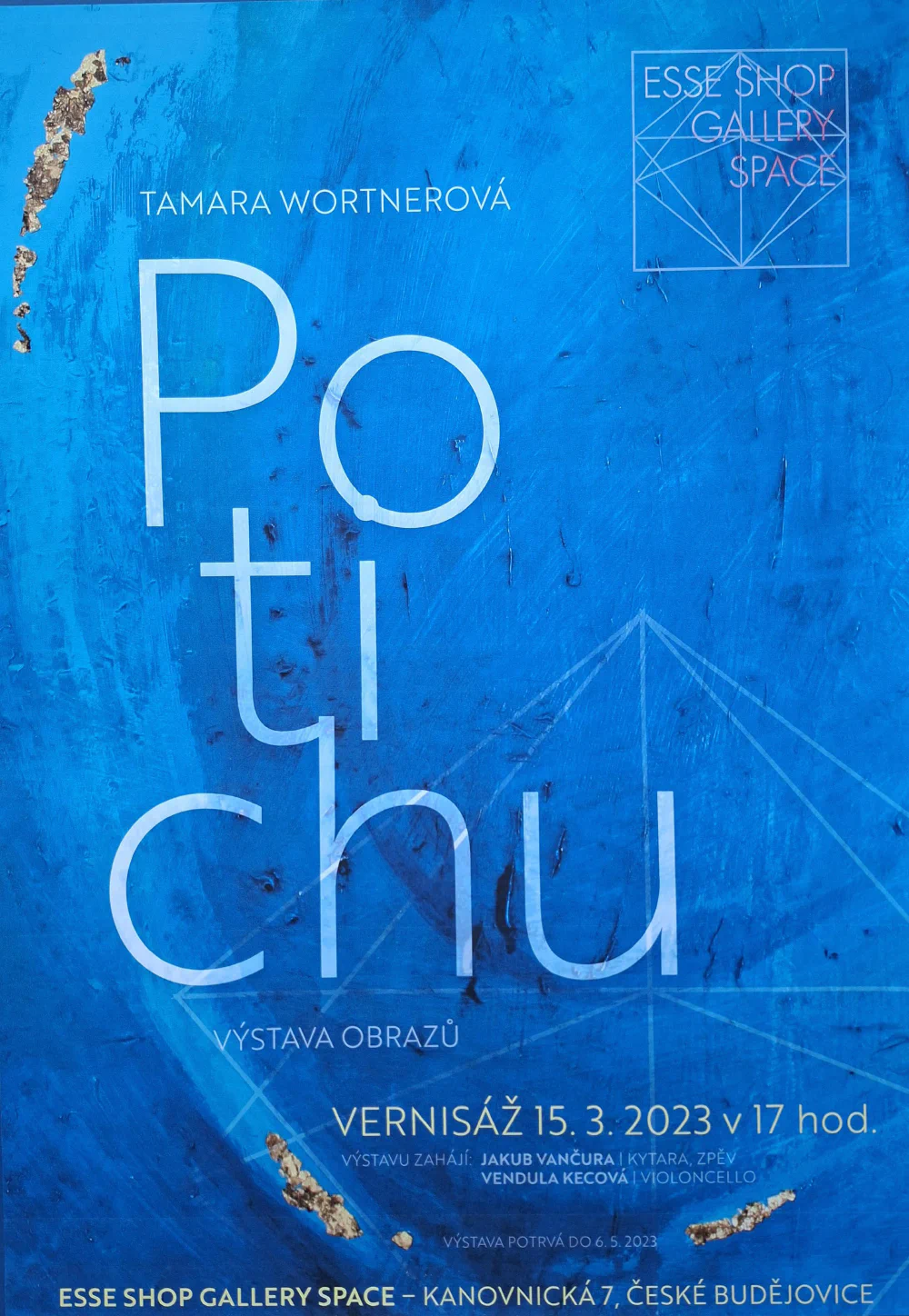
Potichu

15 March – 6 May 2023

Esse Shop Gallery Space – Kanovnická 7, České Budějovice

Potichu

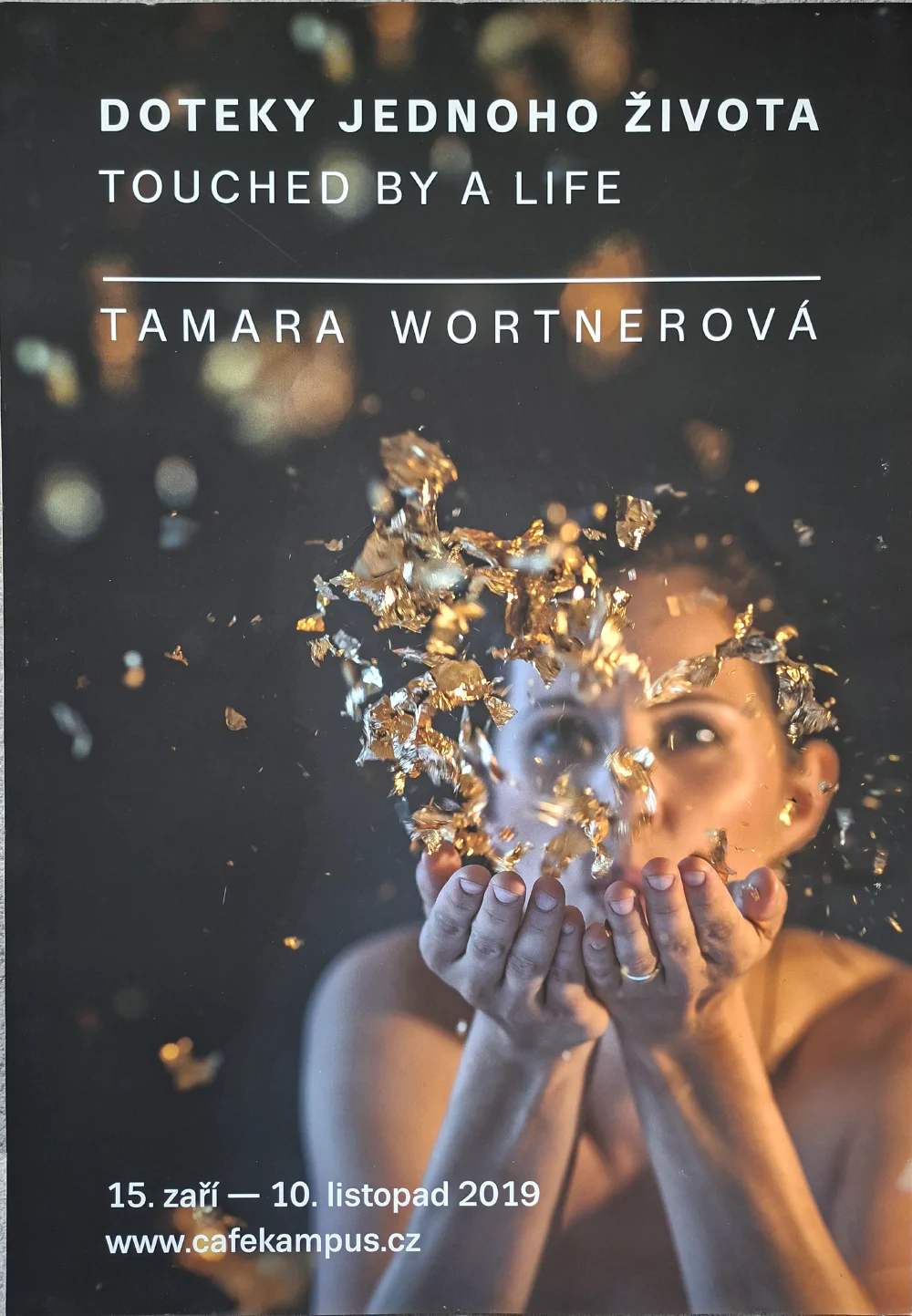
Touched by a Life

15 September – 10 November 2019

Café Kampus – Prague

Touched by a Life